
Document AI assistant for construction contracts and submittals
A worked description of how we would build a cited question-answering and review assistant over contracts, specifications and submittals.
We measure: Answer groundednessSoftware, cloud, commerce and advisory that modernize how you operate.
Digital Transformation overviewFinance, procurement, customer service and back-office work, run by experts and accelerated by AI.
Business Process Management overviewTurn raw data into decisions, with analytics, AI, data management and modern data infrastructure.
Data & Analytics overviewNeed a role or stack that is not listed?Tell us who you need. We will say plainly whether we can staff it.
All roles and models Hire Developers Interview a shortlist within 48 hoursTell us the role, the stack and how long you need them.See how hiring works
 Start from a defined scopeEach solution packages the process work and the engineering together.All solutions
 Built around how your sector worksEach page covers the processes we run and the systems we build for that industry.All industries
 We do the work, then build what makes it fasterOne team across the process and the software.About Intelyza
Transform raw data into actionable insights through advanced analytics, artificial intelligence, data management and modern data infrastructure.
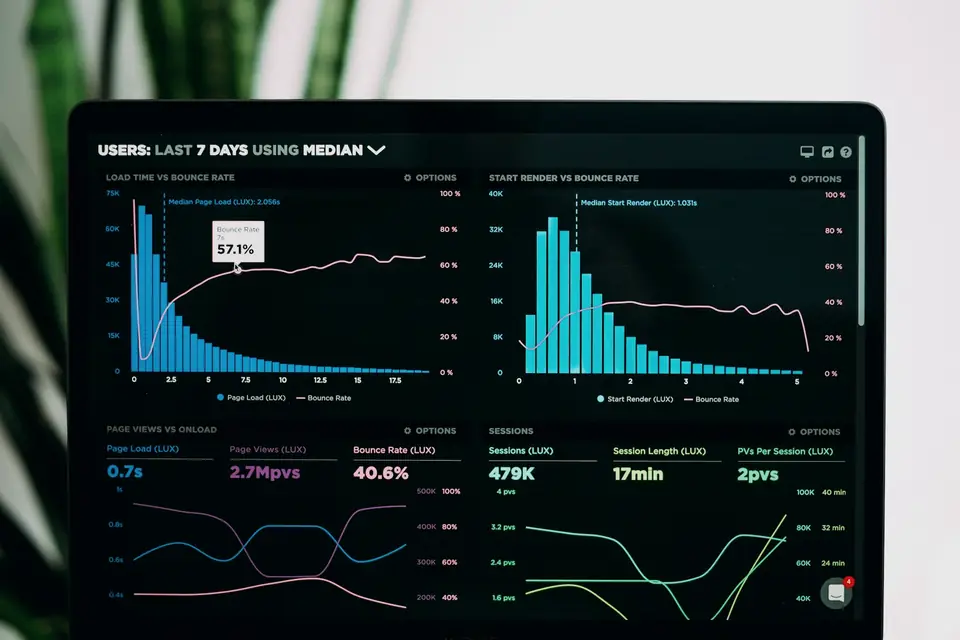
We connect the systems your numbers live in, such as ERP, CRM, billing and spreadsheets, and shape them into a dimensional model with agreed definitions.
On top of that we build pipelines that fail loudly, dashboards that load quickly, and forecasts with stated error ranges. Data quality rules and ownership are part of the build, because a report is only as trusted as its weakest source field.
Step 1 of 5
We inventory systems, extract samples, and profile null rates, duplicates and key mismatches before promising any report.
Step 2 of 5
We write down each KPI with its grain, filters and owner, and resolve disagreements between departments in a workshop.
Step 3 of 5
We design fact and dimension tables as a star schema, with slowly changing dimensions where history matters.
Step 4 of 5
We implement extraction and transformation with tests, lineage and alerting, pushing logic upstream so reports stay light.
Step 5 of 5
We release dashboards in stages to real users, collect what they ignore or misread, and revise before wider rollout.
Our finance operations staff work in the ledgers we model, so currency, accrual and intercompany quirks are handled, not discovered later.
Wrong numbers get fixed in the model or pipeline, not patched with visual-layer measures that drift apart between reports.
Completeness, uniqueness and referential checks execute on every load, and failures are routed to the system owner by name.
Documentation covers lineage, refresh schedules and measure logic, so your analysts can extend the model without calling us.
Worked examples of how we would structure the engagement.
A worked description of how we would build a cited question-answering and review assistant over contracts, specifications and submittals.
We measure: Answer groundedness
A worked description of how we would run and instrument claim denials for a practice group, from remittance intake to appeal and root-cause reporting.
We measure: Denial rate by payer and code
A worked description of how we would build a Shopify storefront with a demand forecasting layer that informs purchasing and stock allocation.
We measure: Forecast error by categoryWe work with Power BI, Looker Studio, Tableau and Metabase. We recommend based on your existing licences, user count and where the data sits, and we avoid forcing a migration for its own sake.
Usually yes, with scope control. We pick the few reports that matter, fix the source problems those need, and build outward. Fixing everything first rarely delivers anything.
We aggregate upstream, load incrementally, keep models narrow, and test report performance against realistic volumes before release rather than on a small sample.
They can be trusted to the degree they are measured. We backtest, publish error against actuals every period, and flag when a model stops performing so planners know when to override.
Not clean, but representative. We need real examples of the messy inputs the system will see. Part of the first phase is finding which data problems matter for the use case and which can wait.
Send a few lines about the work. A person reads it and replies within 24 hours.